When stubborn hard water stains and etching cloud your windows, it’s easy to wonder if even the best professional window cleaning can restore their original clarity. Small business owners, developers, and residents alike often ask: can professional window cleaning remove hard water stains, especially when the damage seems extensive? The answer isn’t always straightforward.
Severe hard water etching is more than just a cosmetic issue, it’s a sign that minerals have chemically altered the glass surface. This article dives deep into the science and process of professional glass polishing, exploring whether it can truly erase severe hard water etching or if there’s a point of no return. We’ll cover what causes these stains, how the pros approach restoration, what results you can expect, and when replacement might be the only option. If you’re looking for clear, actionable insights on glass restoration beyond basic cleaning, you’re in the right place.
Understanding Hard Water Etching and Its Impact
Hard water etching is a step beyond the typical white spots or streaks you might notice after a rainstorm or sprinkler mishap. It occurs when minerals like calcium and magnesium, present in hard water, repeatedly dry on glass surfaces. Over time, these minerals react with the glass, causing microscopic pitting and cloudiness that simple cleaning can’t remove. Unlike surface stains, etching actually changes the glass itself, making it rougher and less transparent.
This not only affects the appearance but can also reduce natural light, impact curb appeal, and even influence energy efficiency in commercial settings. In regions like the area around Davie, where irrigation and rain are frequent, hard water etching is a persistent challenge for property owners. Understanding the science behind etching is the first step to recognizing when it’s time to call in the pros for more than just a routine wash.
The difference between a stain and an etch is crucial. Stains are deposits sitting on the surface, often removable with the right cleaning agents and tools. Etching, however, is physical damage. It can make windows look perpetually dirty, even after a thorough cleaning. This is why property managers and business owners often seek specialized solutions when regular maintenance falls short. For those in FL, understanding this distinction can save time and money on restoration efforts.
How Professional Glass Polishing Works
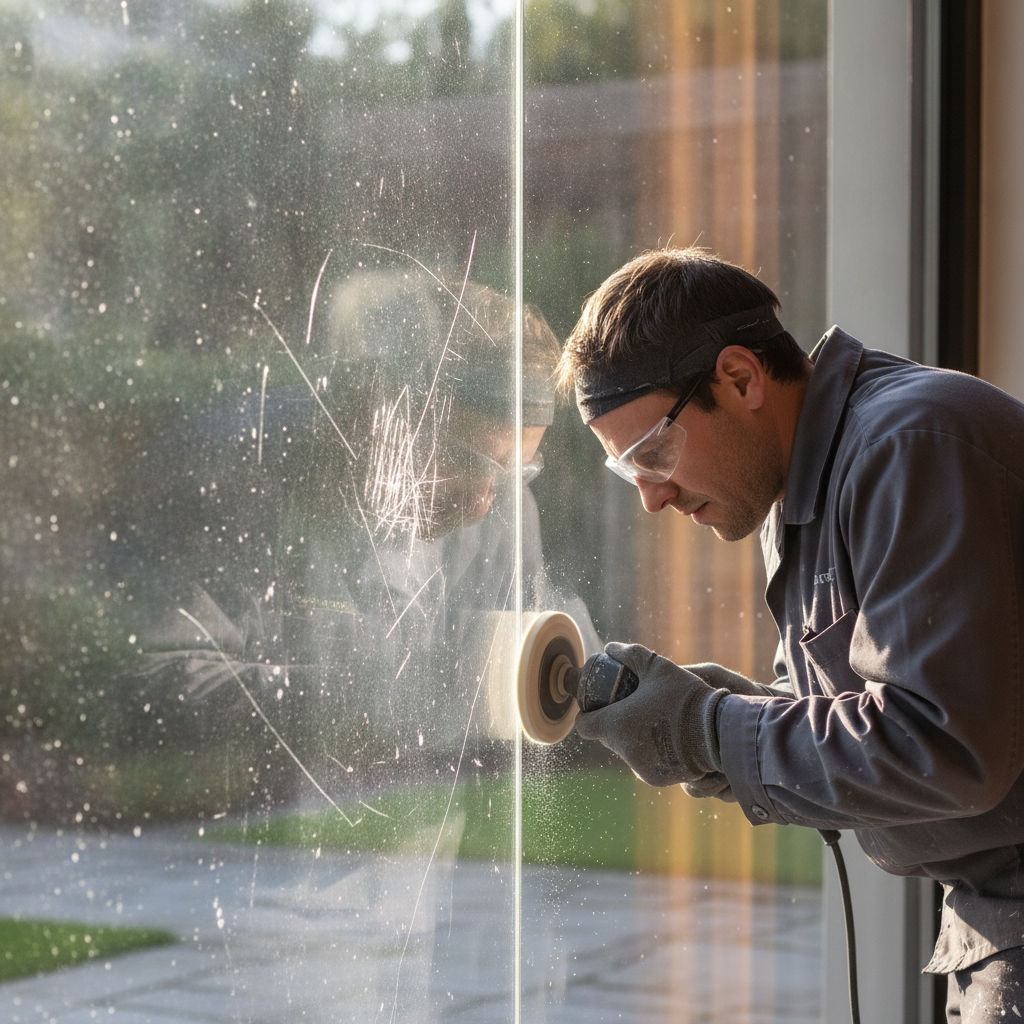
Professional glass polishing is a multi-step restoration process designed to address etching and severe hard water stains that regular cleaning can’t handle. It involves using specialized abrasives, polishing compounds, and sometimes even mechanical buffers to gently grind away the damaged outer layer of glass. The goal is to remove the etched surface and reveal a fresh, clear layer beneath. This process requires training and experience, as improper technique can worsen the damage or create optical distortions.
The first step is a thorough assessment to determine the depth and extent of the etching. Technicians then mask off surrounding areas to protect frames and nearby surfaces. Using a combination of cerium oxide or other fine abrasives, they methodically polish the glass, checking progress frequently. The process may need to be repeated several times for deep etching. For business owners and developers, this method offers a way to restore expensive storefronts or architectural glass without the cost and disruption of replacement. Companies like Glass Act Cleaning invest in advanced tools and ongoing training to ensure safe, effective results for every project.
Can Professional Window Cleaning Remove Hard Water Stains?
One of the most common questions property owners ask is whether professional window cleaning can remove hard water stains, especially when they’ve been neglected for months or years. The answer depends on the severity of the stains and whether they’ve progressed to etching. Professional cleaners use a range of techniques, from commercial-grade cleaning solutions to specialized tools like razor blades, scrub pads, and even mild acids. For light to moderate stains, these methods are often highly effective, restoring glass to a like-new appearance.
However, when stains have been left untreated, minerals can bond with the glass, leading to etching. At this stage, basic cleaning won’t suffice. This is where advanced restoration techniques come into play, such as glass polishing or even resurfacing. For businesses in this community, regular professional cleaning is the best defense against hard water stains turning into permanent etching. But if the damage is already done, it’s time to look beyond cleaning to restoration. For those needing deeper solutions, services like window stain removal are specifically designed to tackle these tough cases.
What Sets Glass Polishing Apart from Standard Cleaning?
Standard window cleaning is focused on removing dirt, dust, and surface-level stains using squeegees, soaps, and purified water. It’s quick, efficient, and keeps glass looking its best, until mineral deposits start to build up. Glass polishing, on the other hand, is a form of restoration. It’s a more involved process that physically alters the glass surface to remove etching and deep stains. This distinction matters for property owners deciding between routine maintenance and a more intensive fix.
During glass polishing, technicians use abrasives and compounds to gently grind away the damaged layer. This requires skill and patience, as over-polishing can thin the glass or create waves and distortions. The process is best suited for severe cases where regular cleaning has failed. For commercial properties, the difference can mean saving thousands on replacement costs. To understand what’s involved in a typical service visit, check out What to Expect During a Fort Lauderdale Window Cleaning Visit for Screens, Tracks, and Trim for a detailed breakdown.
When Is Glass Replacement the Only Option?
While professional glass polishing can work wonders, there are limits to what restoration can achieve. If the etching is extremely deep, covers a large area, or has compromised the structural integrity of the glass, replacement may be the only viable solution. Signs that indicate replacement is necessary include visible cracks, chips, or a cloudy appearance that persists even after multiple restoration attempts. For business owners, this can be a tough decision, as replacement is often more costly and disruptive than restoration.
In some cases, the age and type of glass also play a role. Older glass may not respond well to aggressive polishing, and certain coatings or tints can be damaged during the process. Consulting with a professional is the best way to assess whether your windows are candidates for restoration or if replacement is the smarter investment. For a comprehensive look at what’s included in a professional service, see Inside a Professional Fort Lauderdale Window Cleaning Service: What’s Included Beyond the Glass.
The Science Behind Hard Water Stains and Etching
To fully appreciate why some stains are removable and others aren’t, it helps to understand the chemistry at play. Hard water contains dissolved minerals, mainly calcium and magnesium. When water evaporates from glass surfaces, these minerals are left behind. Over time, they form a crusty layer that can be removed with the right tools. But if left untreated, the minerals can react with the silica in glass, causing a chemical change known as etching.
This process is accelerated by heat and sunlight, which are common in South Florida. The result is a frosted or cloudy appearance that can’t be wiped away. This is why timely intervention is critical. Once etching has occurred, only polishing or replacement can restore clarity. Understanding the science helps property owners make informed decisions about maintenance and restoration.
Comparing Restoration Methods: Polishing, Chemical Treatments, and More
There are several approaches to tackling hard water stains and etching, each with its own advantages and limitations. Chemical treatments use acids or specialty cleaners to dissolve mineral deposits. These work well for surface stains but are ineffective against deep etching. Mechanical methods, like polishing, physically remove the damaged layer of glass. Some professionals also use abrasive pads or diamond-infused tools for severe cases.
Choosing the right method depends on the severity of the problem, the type of glass, and the desired outcome. For most businesses and homeowners, starting with a professional assessment is key. Technicians can test a small area to determine the best approach. In some cases, a combination of methods yields the best results. The table below compares common restoration techniques:
| Method | Best For | Limitations |
|---|---|---|
| Chemical Cleaners | Surface stains, light buildup | Ineffective on etching |
| Abrasive Pads | Moderate stains, minor etching | Can scratch glass if misused |
| Glass Polishing | Deep etching, severe stains | May not restore very deep damage |
| Replacement | Irreparable etching, cracks | Highest cost, most disruptive |
Preventing Hard Water Damage in the First Place
While restoration is possible, prevention is always preferable. The best way to avoid severe hard water etching is through regular maintenance and proactive measures. Installing water softeners or filtration systems can reduce mineral content in irrigation water. Adjusting sprinklers to avoid spraying windows, and scheduling routine professional cleanings, can keep glass surfaces clear and protected.
For businesses and property managers, setting up a maintenance schedule ensures that minor stains are addressed before they become major problems. Protective coatings are also available, creating a barrier that makes it harder for minerals to bond with the glass. These coatings can extend the life of your windows and reduce the need for intensive restoration. In the region, where hard water is a constant issue, prevention saves both time and money in the long run.
What to Expect During a Glass Restoration Service
If you decide to pursue professional glass polishing, knowing what to expect can help you prepare. The process typically starts with an on-site assessment, where technicians examine the extent of the etching and discuss your goals. They’ll explain the restoration process, potential outcomes, and any risks involved. On the day of service, they’ll protect surrounding areas, set up equipment, and begin the polishing process.
Depending on the severity of the damage, restoration can take anywhere from a couple of hours to a full day. After polishing, technicians will clean the glass thoroughly and may apply a protective coating to help prevent future damage. You’ll receive care instructions and recommendations for ongoing maintenance. For many property owners, the results are dramatic, a transformation from cloudy, etched glass to clear, inviting windows that enhance curb appeal and natural light.
Cost Considerations and Value for Property Owners
The cost of professional glass polishing varies based on the size of the windows, the extent of the damage, and the complexity of the job. While restoration is generally less expensive than full replacement, it’s still a specialized service that requires skill and experience. For business owners and developers, the investment can pay off by preserving architectural features, maintaining property value, and avoiding the higher costs and downtime associated with new glass installation.
It’s important to get a detailed quote and understand what’s included in the service. Some companies offer guarantees or follow-up visits to ensure satisfaction. In many cases, restoring glass is not just about aesthetics, it’s about protecting your investment and creating a welcoming environment for customers, tenants, and employees. For those in the neighborhood, working with a reputable local provider ensures you get the best value and results.
Final Thoughts
Severe hard water etching does not always mean you need to replace your windows. Professional glass polishing can remove or significantly reduce etched areas in many cases, restoring clarity and helping extend the usable life of your glass. However, the right solution depends on the depth and severity of the damage, as heavily damaged glass may still require replacement.
Knowing the difference between hard water stains and permanent etching can help you choose the right treatment. Acting early, scheduling regular maintenance, and relying on experienced professionals can also help prevent minor buildup from becoming more difficult and expensive to address.
For homeowners, business owners, and property developers, clean and clear windows can improve the appearance of a property while reflecting proper care and maintenance. If your glass has stubborn hard water stains or severe etching, Glass Act Cleaning can help you understand your treatment options and determine the most appropriate solution.
Dealing with etched or damaged glass? Contact Glass Act Cleaning today to discuss your glass polishing needs and restore a clearer, cleaner appearance to your property.