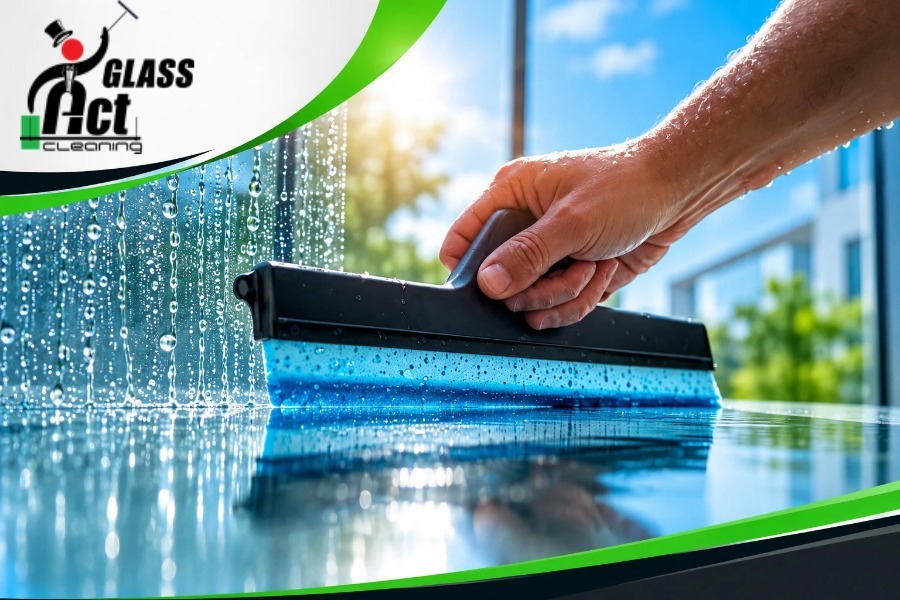
A streak-free window does more than finish a cleaning job. It shows your attention to detail and your pride in your space. Homeowners, small business owners, and property managers in Fort Lauderdale, FL all want crystal-clear glass. However, salt air, humidity, and sudden rain make that goal difficult. Fortunately, the pros at Glass Act Cleaning rely on a handful of squeegee techniques that anyone can learn. In this guide, you will discover expert tips, common mistakes, and advanced strategies that set professionals apart. Moreove
r, you will learn how pressure cleaning supports a lasting shine.
Why Squeegee Technique Matters
The squeegee looks like a simple tool, yet a skilled user can match the results of a high-end service. First, select a quality squeegee with a sharp, flexible blade. Next, inspect the blade for nicks or tears, because even small flaws leave streaks and unsightly marks. Then, match your tool to the job. Small squeegees handle divided panes and intricate designs, while wide blades speed up large surfaces.
Step-by-Step: The Basic Squeegee Method
Preparation matters as much as technique, so follow these steps in order:
- Remove loose dust. Wipe the glass with a dry microfiber cloth first.
- Wash the window. Apply a mild soap solution with a soft scrubber to loosen dirt and debris.
- Position the squeegee. Place it at the top corner of the glass.
- Pull in one smooth motion. Angle the blade slightly so it pushes water toward the uncleaned section.
- Overlap each pass. Leave about one inch of overlap to prevent missed spots.
- Wipe the blade. Use a lint-free cloth after every stroke.
- Finish the edges. Dry the corners and perimeter with a clean, absorbent towel.
Squeegee Success for Fort Lauderdale Homes
Fort Lauderdale’s warm, humid climate challenges every window cleaner. Salt air, pollen, and frequent rain leave streaks, water spots, and even mold on glass. Therefore, professional-grade squeegee methods keep your windows sparkling and extend their lifespan by stopping buildup before it causes damage.
Start by choosing the right cleaning services & solution. Harsh chemicals etch glass and damage seals, so use a mild detergent or a specialized window formula instead. In addition, remove surface dust with a soft microfiber cloth before you apply any solution. This step matters in South Florida, where airborne particles accumulate quickly on coastal properties.
While you work, keep a consistent angle and steady pressure. Move from top to bottom and overlap every stroke. For larger windows, try the S-pattern: sweep the squeegee from side to side in one continuous motion. This method minimizes streaks and covers the glass evenly.
Advanced Squeegee Techniques for Fort Lauderdale Windows
Once you master the basics, advanced techniques deliver a truly professional finish.
- The fan technique: Rotate the squeegee at the end of each stroke so water keeps flowing toward the uncleaned section. This method works especially well on large panes and eliminates streaks that straight pulls leave behind.
- Section-by-section cleaning: For French panes and divided-light windows, switch to a smaller squeegee and clean each section individually. As a result, you gain precision and avoid drips.
- Smart timing: Avoid direct sunlight, because heat dries solution too quickly and causes streaks. Instead, clean in the early morning or late afternoon.
- Blade maintenance: Check the blade before every job, and replace it regularly.
Glass Act Cleaning applies these methods daily, and the team’s attention to detail shows how much expertise a flawless finish demands.
Common Squeegee Mistakes (and How to Fix Them)
Even experienced cleaners make errors that compromise their results. Fortunately, each one has a simple fix.
- Using a worn blade. A damaged blade leaves streaks and water marks. Inspect it before each use and replace it when needed.
- Pressing too hard. Excess pressure bends the blade and can scratch the glass. Instead, use a light, even touch and let the squeegee glide.
- Skipping the edges. Lingering moisture around the perimeter drips back onto clean glass and promotes mold in humid areas. Therefore, always wipe the corners and frame with a dry cloth.
- Working in direct sun. Heat dries the solution before you can squeegee it away. Move to the shade or wait for cooler hours.
Choosing the Right Tools for Streak-Free Results
Your tools shape your results. A high-quality squeegee removes water and solution without streaking, and an ergonomic handle keeps your grip comfortable across multiple windows. Microfiber cloths absorb moisture without leaving lint, and an extension pole lets you reach high windows safely from the ground. Finally, a specialized cleaning solution boosts your results, as long as you avoid harsh chemicals.
| Tool | Use | Benefit |
| Squeegee | Removes water and cleaning solution | Leaves glass streak-free |
| Microfiber cloth | Wipes edges and frames | Absorbs moisture, leaves no lint |
| Extension pole | Reaches high windows | Increases safety and access |
| Window cleaning solution | Breaks down dirt and grease | Enhances cleaning power |
Why Pressure Cleaning Complements Window Cleaning
Squeegee mastery delivers streak-free glass, but pressure cleaning supports it. Dirt, mold, and mildew build up on your property’s exterior and transfer onto your windows. By adding pressure cleaning to your routine, you attack the source of the problem.
Pressure cleaning works especially well on window frames, tracks, sills, and surrounding surfaces. These areas hold grime and organic growth that standard washing cannot remove. Consequently, you reduce the risk of contaminants returning to freshly cleaned glass.
Pressure cleaning also protects your home from the elements. Mold, mildew, and algae thrive in humid environments and slowly damage both windows and exteriors. Regular pressure cleaning removes these threats early.
Furthermore, it makes every future squeegee session easier. To explore the long-term benefits, read Safeguarding Your Property Investment: How Pro Window Cleaning Shields Against UV Damage and Environmental Wear Over Decades. For more on exterior protection, read How Pressure Washing Shields Your Home’s Exterior from Mold and Mildew Growth.
Seasonal Strategies for Fort Lauderdale
Each season brings its own challenges, so adjust your approach accordingly:
- Spring: Pollen and dust coat the glass quickly, so clean more often.
- Summer: Heat evaporates solution fast. Clean early or late in the day.
- Rainy season (late spring through fall): Rain leaves mineral deposits and water spots. Remove them promptly to prevent permanent staining.
- Winter: Cooler, drier air makes this the easiest time to clean. Use it for a deep clean of glass, frames, and tracks.
Key Points: Master Squeegee Techniques
- Choose a sharp, flexible rubber blade, and replace it at the first sign of nicks.
- Wash first, then squeegee. Clean glass gives the blade a smooth path.
- Overlap each stroke by about one inch to prevent streaks.
- Wipe the blade after every pass.
- Clean in the early morning or late afternoon, never in direct sun.
- Use the S-pattern or fan technique on large panes.
- Pair squeegee work with pressure cleaning to remove mold, mildew, and grime from frames and sills.
- Adjust your routine for Fort Lauderdale’s humidity, salt air, and rainy season.
FAQs: Master Squeegee Techniques
How often should I clean my windows in Fort Lauderdale?
Most Fort Lauderdale homes need exterior window cleaning every one to three months. Salt air, humidity, and frequent rain deposit residue quickly. Coastal and waterfront properties benefit from the shorter interval.
Why do my windows get water spots so fast in South Florida?
Fort Lauderdale’s hard water and frequent rain leave mineral deposits on glass. When the water evaporates, the minerals stay behind. Squeegee the glass completely dry, and clean spots promptly before they etch the surface.
What is the best time of day to clean windows in Fort Lauderdale?
Clean in the early morning or late afternoon. South Florida sun heats the glass quickly, and the heat dries your solution before you can squeegee it away.
Does salt air damage my windows?
Yes. Salt residue from coastal breezes builds up on glass, frames, and seals over time. It can dull the glass and corrode metal frames. Regular cleaning removes the salt before it causes lasting damage.
Should I pressure clean before or after cleaning my windows?
Pressure clean first. Pressure cleaning removes mold, mildew, and grime from frames, sills, and exterior walls. Then your squeegee work finishes the job without recontamination.
Can I clean my own windows, or should I hire a professional?
You can handle low, easy-to-reach windows with the tips above. However, high windows, second stories, and large commercial storefronts call for professional equipment and training. Glass Act Cleaning helps Fort Lauderdale homeowners and business owners get spotless results safely.
Do I need to clean windows after a tropical storm or hurricane season?
Yes. Storms leave behind debris, salt, and heavy mineral residue. Rinse the glass, wash it thoroughly, and inspect the seals for damage before you squeegee.
Final Thoughts
Mastering squeegee techniques gives you a streak-free shine that raises your property’s appearance and value. Whether you own a home, run a business, or manage a property, the right approach makes a visible difference. Combine expert squeegee skills with strategic pressure cleaning, and you protect your investment for years. Choose quality tools, adapt to the season, and avoid common mistakes. If you would rather leave the work to experts, contact Glass Act Cleaning today for a spotless, gleaming view in Fort Lauderdale.