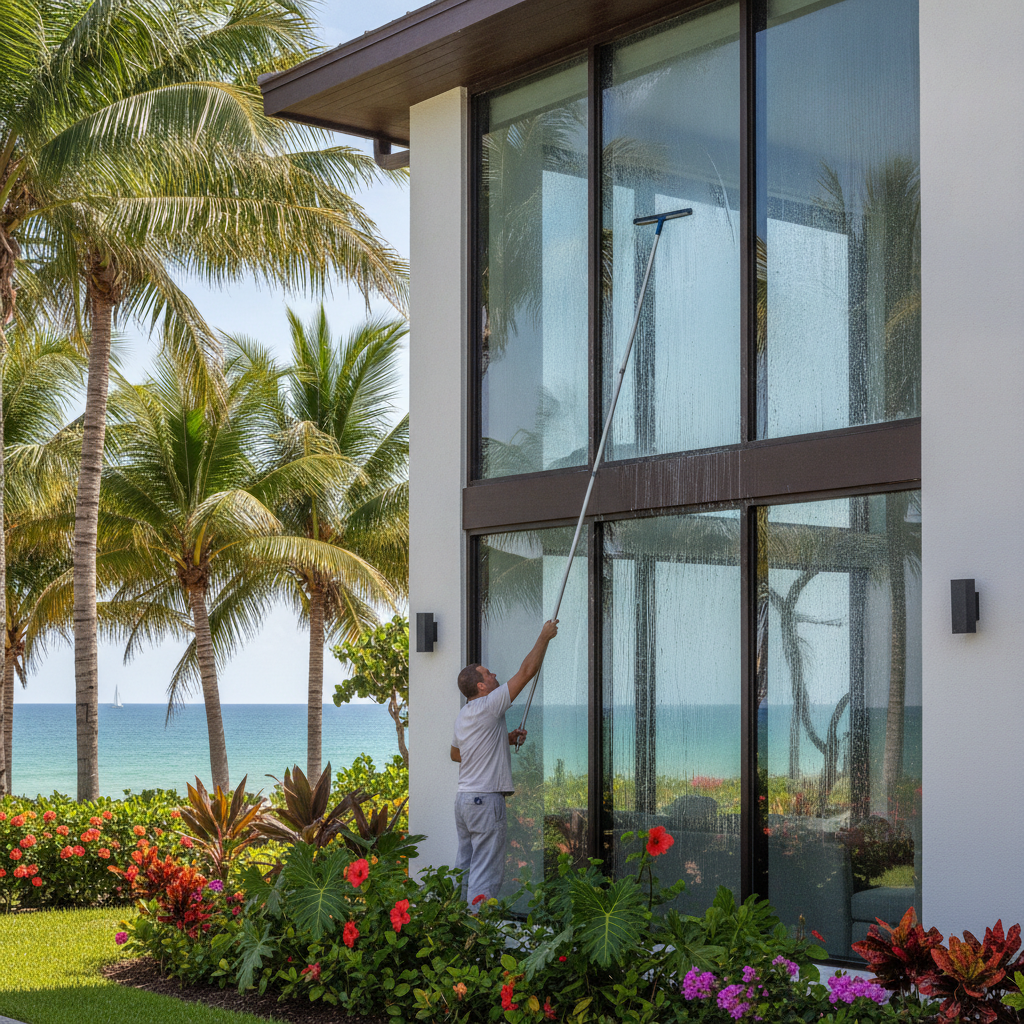
Living in a coastal region brings a unique set of joys and challenges. For homeowners, business owners, and developers in the area, the beauty of the ocean comes with a hidden cost: salt-laden air, relentless humidity, and sudden downpours that can wreak havoc on your property’s windows. If you’ve ever wondered why your glass never seems to stay clean for long, or why streaks and spots appear almost overnight, you’re not alone. The coastal climate here demands a different approach to window maintenance.
Residential Window Cleaning Fort Lauderdale FL isn’t just about aesthetics, it’s about protecting your investment, ensuring longevity, and maintaining the comfort and value of your property. In this article, we’ll explore how the region’s climate shapes the way windows should be cleaned, what makes cleaning here different from inland areas, and the practical steps you can take to keep your windows sparkling and damage-free all year round. Whether you’re a homeowner looking to preserve your view, a business owner wanting to impress clients, or a developer aiming for lasting curb appeal, understanding the local climate’s impact is essential. Let’s dive into the science, strategies, and best practices that make window cleaning in this coastal environment a category all its own.
Why Coastal Air Changes Everything for Window Cleaning
The air near the ocean is a complex blend of moisture, salt, and organic particles. When you live or work near the coast, your windows are constantly exposed to this mixture, which settles on glass surfaces and frames. Unlike dust or pollen found further inland, salt particles are highly corrosive. They not only leave visible streaks and haze on glass, but they also accelerate the deterioration of window seals, frames, and even the glass itself.
Salt crystals attract moisture from the humid air, forming a sticky film that’s difficult to remove with standard cleaning methods. Over time, this film can etch into the glass, causing permanent cloudiness or pitting. For property owners in the region, this means that window cleaning is not just a cosmetic issue, it’s a crucial part of building maintenance and preservation.
The frequency and technique of cleaning must be adapted to tackle these unique challenges. Traditional cleaning schedules or products may not suffice, and the consequences of neglect can be costly. By understanding the science behind coastal air, you can better appreciate the importance of a tailored approach to window care.
For those seeking expert help, Residential Window Cleaning Fort Lauderdale FL services are specifically designed to address these coastal challenges, ensuring your home or business stays protected and looking its best.
The Impact of Humidity and Sudden Storms on Window Maintenance
Humidity is a constant companion in this region, and it plays a significant role in the condition of your windows. High moisture levels cause dirt and salt to adhere more stubbornly to glass surfaces, making cleaning more labor-intensive. When a sudden storm rolls in, rainwater mixes with the salt and airborne particles, splattering windows with a cocktail that dries into tough, unsightly spots.
Unlike areas with drier air, where rain can sometimes rinse away surface grime, here it often makes the problem worse. The combination of rain and salt creates mineral deposits that can become nearly impossible to remove without specialized techniques. Over time, these deposits can lead to hard water stains and even glass etching if not addressed promptly.
This means that window cleaning must be more frequent and more thorough than in other regions. It’s not uncommon for local homeowners and businesses to schedule cleanings every few months, or even monthly during the wet season. The goal is to prevent buildup before it becomes a serious issue, protecting both the appearance and structural integrity of your windows.
For those new to the area, professional Window Cleaning in Fort Lauderdale, FL can help set the right maintenance schedule and techniques to combat the relentless effects of humidity and storms.
Salt, Mold, and Algae: The Triple Threat to Coastal Windows
Beyond salt and humidity, coastal windows are also prime targets for mold and algae growth. The warm, moist environment encourages these organisms to thrive on window sills, tracks, and even on the glass itself. Mold and algae not only look unsightly but can also cause allergies and health concerns for residents and employees.
The presence of organic growth on windows is a clear sign that standard cleaning routines aren’t enough. Mold and algae can root into porous surfaces, making them difficult to remove without the right products and techniques. Left unchecked, these growths can damage seals and frames, leading to leaks and costly repairs.
Preventing and removing mold and algae requires a proactive approach. This includes using cleaning solutions specifically formulated for biological contaminants and scheduling regular inspections to catch early signs of growth. For homeowners and business owners, investing in professional cleaning is often the most effective way to ensure a safe and healthy environment.
To learn more about how to handle these coastal threats, the article Salt Air, Rain, and Mold: The Unique Pressure Washing Schedule Every Fort Lauderdale Homeowner Needs offers valuable insights into effective maintenance strategies.
Techniques and Tools That Make a Difference
Cleaning windows in a coastal climate requires more than just a squeegee and a bucket of soapy water. The unique blend of salt, humidity, and organic growth calls for specialized tools and methods. For example, purified water systems help prevent mineral deposits and streaks, while soft-bristle brushes can loosen stubborn salt and algae without scratching the glass.
Professional-grade cleaning solutions are often necessary to break down salt and organic films. These products are designed to be tough on grime but gentle on glass and window hardware. Microfiber cloths, water-fed poles, and extension tools allow cleaners to reach high or awkwardly placed windows safely and effectively.
It’s also important to use techniques that minimize water runoff and protect landscaping below. This is especially critical in environmentally sensitive coastal areas. Experienced cleaners know how to balance thorough cleaning with environmental responsibility, ensuring that runoff doesn’t harm local plants or waterways.
For those interested in exterior cleaning beyond just windows, the guide Choosing the Right Pressure Cleaning Method for Fort Lauderdale Driveways, Patios, and Exterior Surfaces explains how to safely clean outdoor surfaces in this challenging environment.
How the Coastal Climate Affects Window Lifespan
Windows in coastal regions face a much harsher environment than their inland counterparts. The constant exposure to salt, humidity, and intense sunlight accelerates wear and tear. Over time, this can lead to issues such as corrosion of metal frames, warping of wooden sills, and degradation of window seals. These problems not only affect the appearance of your windows but can also compromise their energy efficiency and weather resistance.
Regular cleaning and maintenance are essential to extend the lifespan of your windows. Removing salt and organic buildup prevents etching and corrosion, while timely repairs to seals and frames help maintain insulation and prevent leaks. For property owners, investing in high-quality window materials and professional cleaning services can pay off in the form of fewer replacements and lower long-term costs.
It’s also important to inspect windows regularly for signs of damage. Early detection of issues like pitting, cloudiness, or frame deterioration allows for prompt repairs and helps avoid more extensive (and expensive) problems down the line. In coastal areas, prevention is always more cost-effective than restoration.
Comparing Inland and Coastal Window Cleaning Challenges
While window cleaning is important everywhere, the specific challenges faced in coastal regions are distinct from those found inland. Inland properties typically deal with dust, pollen, and occasional rain, which are relatively easy to clean with standard products and schedules. In contrast, coastal properties must contend with salt spray, persistent humidity, and rapid mold growth.
The table below highlights the key differences between inland and coastal window cleaning needs:
| Factor | Coastal Areas | Inland Areas |
|---|---|---|
| Main Contaminants | Salt, humidity, mold, algae | Dust, pollen, occasional rain |
| Cleaning Frequency | Monthly to quarterly | Quarterly to biannually |
| Common Issues | Glass etching, corrosion, organic growth | Light dirt buildup, occasional water spots |
| Recommended Techniques | Purified water, specialty cleaners, mold removal | Standard cleaning solutions, basic tools |
As shown, coastal window cleaning is more demanding and requires a proactive, specialized approach. Understanding these differences helps property owners make informed decisions about maintenance and service providers.
Window Frame Materials and Their Coastal Performance
The type of window frame you choose can have a significant impact on how well your windows withstand the coastal climate. Aluminum frames are popular for their strength and resistance to warping, but they can corrode quickly if not properly coated or maintained. Vinyl frames resist moisture and require less upkeep, but may fade or become brittle over time due to intense sun exposure. Wooden frames offer classic beauty but need regular sealing and painting to prevent rot and mold.
For coastal properties, it’s important to select materials specifically rated for high-salt environments. Look for frames with corrosion-resistant finishes and consider investing in impact-resistant glass, which not only stands up to storms but also resists pitting from wind-driven salt and sand. Regular cleaning and maintenance are essential to preserve both appearance and function, regardless of material.
Consulting with local experts can help you choose the best window materials for your needs and ensure they are maintained in top condition year-round.
Scheduling Window Cleaning for Maximum Impact
Timing is everything when it comes to window cleaning in a coastal climate. The frequency of cleanings should be based on your property’s proximity to the ocean, the type of landscaping around your home or business, and the season. Properties closer to the shoreline or with minimal tree cover may require monthly cleanings, while those further inland or shielded by vegetation can often go longer between services.
The rainy season brings additional challenges, as storms can rapidly increase the buildup of salt and organic debris. Scheduling a cleaning immediately after a major storm can prevent long-term damage and keep your windows looking their best. For businesses, clean windows are especially important for making a strong first impression on customers and clients.
Working with a professional service that understands the local climate can help you develop a customized cleaning schedule that fits your property’s unique needs and budget.
Eco-Friendly Cleaning Solutions for Coastal Homes
Environmental responsibility is a growing concern for homeowners and businesses alike. In coastal areas, it’s especially important to use cleaning products that are safe for local ecosystems. Runoff from harsh chemicals can harm nearby plants, wildlife, and waterways, making it vital to choose eco-friendly solutions whenever possible.
Many professional window cleaning companies now offer biodegradable, non-toxic cleaning agents that effectively remove salt, mold, and algae without harming the environment. These products are just as effective as traditional cleaners but break down safely after use. Additionally, using purified water systems reduces the need for chemical additives and helps prevent streaks and residue on glass.
By prioritizing eco-friendly cleaning, you not only protect your property but also contribute to the health and beauty of the local environment. Ask your cleaning provider about their sustainability practices and look for companies that share your commitment to green solutions.
What Homeowners and Developers in Davie Should Know
For residents and developers in Davie, understanding the coastal climate’s impact on windows is crucial for both new construction and ongoing maintenance. While the city is slightly inland compared to beachfront communities, it still experiences many of the same challenges due to prevailing winds and humidity. New developments should prioritize high-quality, corrosion-resistant window materials and ensure that cleaning and maintenance plans are built into property management routines.
Homeowners should be proactive about scheduling regular cleanings, especially after storms or during the wet season. Developers can add value to their projects by educating buyers about the importance of window care and offering maintenance packages as part of the sale. In the long run, these steps help preserve property values and keep homes looking their best.
By staying informed and working with experienced local professionals, Davie residents and builders can ensure their windows stand up to the challenges of the coastal climate for years to come.
Final Thoughts About Residential Window Cleaning Fort Lauderdale
Coastal weather can make window maintenance more challenging. Salt air, humidity, storms, and organic growth can leave windows with buildup and stains that require specialized cleaning. Understanding these local conditions and using the right cleaning methods can help property owners protect their investment, maintain clear views, and keep their homes or businesses looking clean and inviting.
Whether you’re a homeowner, business owner, or property developer, proactive window care can make a significant difference. Regular cleaning, proper maintenance, and professional service can help extend the life of your windows while keeping them looking their best throughout the year.
Glass Act Cleaning provides professional window cleaning solutions designed to handle the challenges of coastal properties. Our experienced team can help keep your windows clean, clear, and well-maintained, even in demanding coastal conditions.
Need professional window cleaning for your property? Contact Glass Act Cleaning today to schedule your service and keep your windows looking their best.