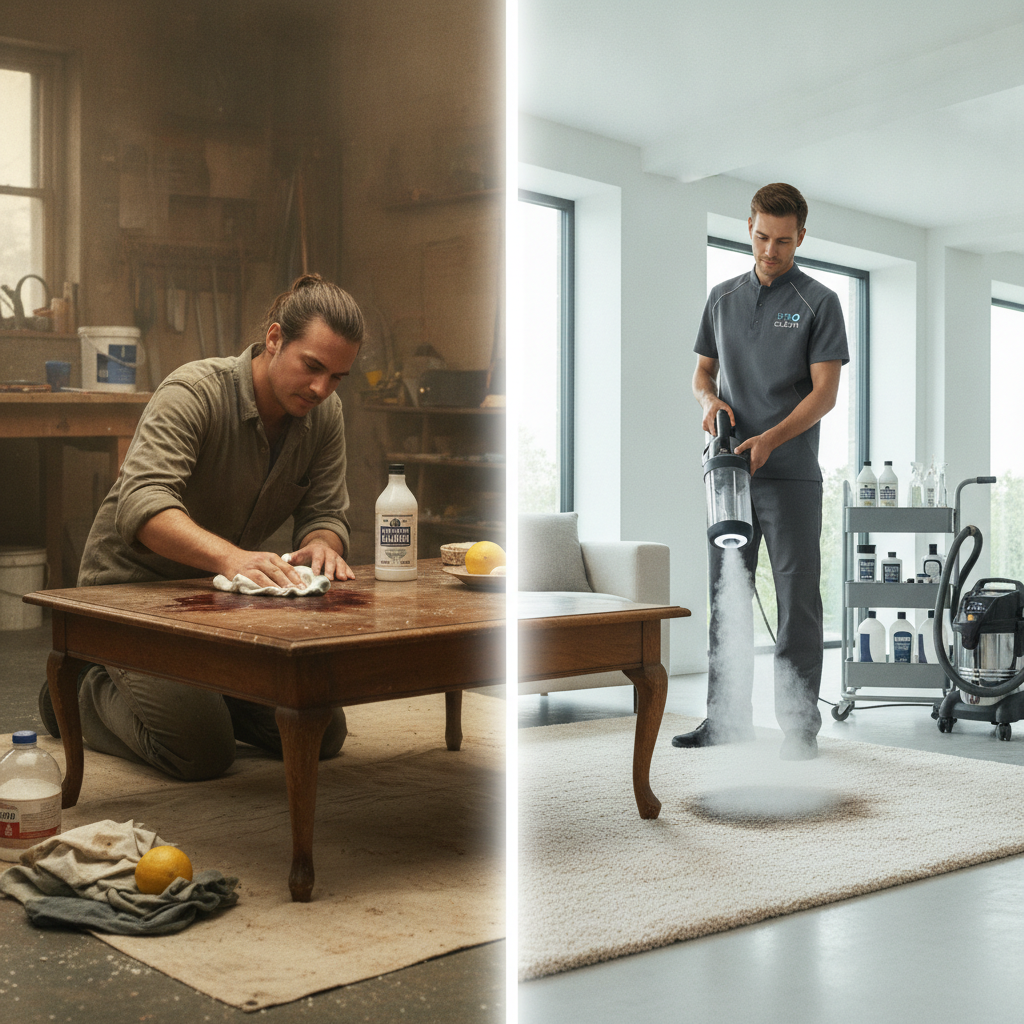
If you’ve ever tried to tackle stubborn hard water stains on your windows, you know the frustration: vinegar, baking soda, and every DIY trick in the book barely make a dent. For small business owners, developers, and even meticulous homeowners, the clarity of your glass isn’t just about aesthetics, it’s about making a strong impression and letting natural light flood your space. But can professional window cleaning remove hard water stains that resist every home remedy? This is the question many in the area face when their glass seems permanently clouded. In this article, we’ll explore why some stains simply won’t budge, what separates professional stain erasers from household solutions, and when it’s time to call in the pros. We’ll break down the science behind hard water stains, compare DIY methods to advanced restoration, and help you decide which option truly delivers a crystal-clear result. Whether you’re managing a storefront, an office, or your own home, understanding the limits of DIY cleaning and the power of professional restoration can save you time, money, and stress.
Why Hard Water Stains Are Tougher Than You Think
Hard water stains aren’t just a cosmetic annoyance. They’re the result of mineral deposits, mainly calcium and magnesium, left behind when water evaporates on glass surfaces. Over time, these minerals bond with the glass, creating cloudy, white, or even chalky marks that seem impossible to wipe away. For businesses and property owners, this isn’t just about looks. Hard water stains can block natural light, make spaces feel dingy, and even give the impression of neglect to clients or visitors.
What makes these stains particularly stubborn is that they’re not sitting on the surface. Instead, they become embedded in microscopic pores and imperfections in the glass. This is why a simple wipe with vinegar or window cleaner often leaves the stain untouched. The longer these deposits are left untreated, the deeper they penetrate, eventually leading to permanent etching that no amount of scrubbing can reverse.
In regions with especially hard water, like many parts of FL, these stains are a constant battle. Even regular cleaning may not be enough to keep them at bay if the underlying water quality isn’t addressed. This is where understanding the science behind the stains, and the limits of DIY solutions, becomes crucial for anyone who values the clarity and longevity of their glass.
For those in FL, the challenge is even greater due to the local water composition and frequent rain, which can accelerate the buildup of mineral deposits. Knowing what you’re up against is the first step in choosing the right cleaning strategy.
The Limitations of Vinegar and Other DIY Solutions
Vinegar is often hailed as the go-to remedy for hard water stains, thanks to its mild acidity. While it can dissolve some surface mineral deposits, its effectiveness is limited when stains have had time to set in. The reality is, once minerals bond with glass, household acids like vinegar or lemon juice simply aren’t strong enough to break those bonds, especially if the stains have been accumulating for months or years.
Other common DIY methods include baking soda pastes, commercial glass cleaners, or even razor blades. While these can sometimes improve the appearance of newer stains, they often fall short on older, more stubborn spots. Razor blades, in particular, can scratch the glass if not used correctly, leading to permanent damage that’s even harder to fix than the original stain.
For business owners and property managers, the time spent on repeated DIY attempts can add up quickly, with little to show for the effort. The risk of damaging the glass, or simply wasting valuable time, makes it clear that DIY methods have their place, but they’re not a cure-all. When stains persist despite your best efforts, it’s a sign that something more powerful is needed.
This is where professional services like Glass Act Cleaning come into play, offering specialized tools and techniques that go far beyond what’s available in the cleaning aisle.
How Professional Stain Erasers Work Their Magic
Professional window cleaning companies use a combination of advanced cleaning agents, mechanical polishing, and industry-grade stain erasers to tackle even the most stubborn hard water stains. Unlike vinegar or over-the-counter products, these solutions are formulated to break down mineral bonds at a molecular level, restoring glass clarity without causing damage.
One of the key differences is the use of abrasive pads or polishing compounds designed specifically for glass. These tools gently remove the mineral layer without scratching or dulling the surface. In some cases, professionals may use mild acids or proprietary chemical blends that dissolve minerals more effectively than anything available to consumers.
The process often starts with a thorough assessment of the stain’s severity. For light stains, a single treatment may suffice. For deeper or older stains, multiple passes with different products and techniques may be required. The result is a level of clarity and shine that simply can’t be achieved with DIY methods.
For those wondering about window stain removal, professional-grade tools and know-how make all the difference. This is especially important for businesses, where first impressions matter, and for anyone who wants to protect their investment in high-quality glass.
When DIY Crosses the Line: Signs It’s Time to Call the Pros
It’s tempting to keep trying new DIY solutions, hoping that the next product or technique will finally erase those stubborn stains. However, there are clear signs that it’s time to stop experimenting and call in professional help. If you notice any of the following, it’s a strong indicator that DIY has reached its limits:
- Stains remain after multiple cleaning attempts with vinegar, baking soda, or commercial products.
- The glass feels rough or pitted to the touch, indicating mineral buildup has started to etch the surface.
- You see rainbow-like discoloration or a cloudy haze that won’t clear, even after thorough cleaning.
- DIY methods have left scratches or marks, making the problem worse.
In these situations, continuing to use household remedies can actually cause more harm than good. Professional stain erasers are designed to address these challenges safely and effectively. For property managers and business owners, knowing when to make the switch can save both time and money, while preserving the value and appearance of your property.
For a deeper dive into how mineral buildup impacts your property, check out The Hidden Cost of Mineral Buildup: How Hard Water Stains Cut Natural Light by 40% and Drain Energy Efficiency.
Comparing Costs: DIY vs. Professional Window Cleaning
Cost is often a major factor when deciding between DIY cleaning and hiring a professional. At first glance, DIY seems more economical. After all, a bottle of vinegar or a box of baking soda costs just a few dollars. However, when you factor in the time spent, the repeated purchases of ineffective products, and the potential for accidental damage, the DIY route can quickly become more expensive than anticipated.
Professional window cleaning and stain removal services may come with a higher upfront price, but they deliver results that last. In many cases, a single professional treatment can restore glass to near-new condition, eliminating the need for ongoing DIY maintenance. For businesses, the improved appearance and increased natural light can even translate into higher customer satisfaction and productivity.
It’s also important to consider the long-term value. Professional restoration can extend the life of your windows, delaying or even preventing costly replacements. For commercial properties, this can mean significant savings over time.
For more insights on how location and exposure affect cleaning schedules and costs, see Why Fort Lauderdale Homes Near the Beach Need Quarterly Pressure Cleaning While Others Can Wait 18 Months.
The Science Behind Stain Removal: Why Some Methods Fail
Understanding why certain methods fail requires a look at the chemistry of hard water stains. These stains are primarily composed of calcium carbonate and magnesium, which are only slightly soluble in water. Acids like vinegar can dissolve some of these minerals, but only when they’re on the surface. Once minerals bond with the silica in glass, they form a layer that is resistant to mild acids and abrasives.
Professional cleaning agents often contain stronger acids or chelating agents that can break these bonds. Additionally, mechanical polishing physically removes the mineral layer, exposing clean glass beneath. This combination of chemical and mechanical action is what sets professional stain removal apart from DIY efforts.
It’s also worth noting that not all glass is created equal. Some types are more porous or have protective coatings that can be damaged by harsh chemicals or abrasive tools. Professionals are trained to identify these differences and adjust their approach accordingly, ensuring effective cleaning without risking damage.
This scientific approach is what makes professional window cleaning like Glass Act Cleaning the only viable option for severe or long-standing hard water stains, especially when clarity and longevity are priorities.
Prevention Strategies: Keeping Hard Water Stains at Bay
While professional restoration can erase even the toughest stains, prevention is always the best strategy. For businesses and homeowners alike, simple habits can make a big difference. Regularly drying windows after rain or irrigation, installing water softeners, and using protective glass coatings are all effective ways to minimize mineral buildup.
Scheduling routine professional cleanings can also help. By removing early-stage stains before they become embedded, you can maintain glass clarity and avoid the need for more intensive (and expensive) restoration down the line. For properties in areas with hard water or frequent exposure to sprinklers, more frequent cleanings may be necessary.
It’s also important to educate staff or residents about the risks of using improper cleaning tools. Avoiding abrasive pads, harsh chemicals, or razor blades can prevent accidental damage that makes future stains even harder to remove.
Ultimately, a proactive approach, combining regular maintenance with professional support, offers the best protection against the relentless challenge of hard water stains.
Case Studies: Real-World Results from the Community
Across the region, countless business owners and residents have faced the disappointment of failed DIY stain removal. In one local office park, repeated attempts with vinegar and commercial cleaners left lobby windows perpetually cloudy, despite hours of effort. After calling in a professional team, the transformation was immediate: natural light poured in, and the entire space felt brighter and more inviting.
A small retail shop in the neighborhood struggled with sprinkler overspray, which left unsightly white marks on display windows. DIY efforts only made the stains more noticeable. Professional restoration not only removed the buildup but also applied a protective coating, making future cleanings easier and less frequent.
These stories are echoed by homeowners as well. One resident, after months of battling bathroom window stains with every product imaginable, finally achieved crystal-clear glass after a single professional visit. The common thread in all these cases is clear: when vinegar fails, professional stain erasers deliver results that DIY simply can’t match.
Choosing the Right Professional Window Cleaning
Not all window cleaning companies are created equal. When selecting a professional for hard water stain removal, it’s important to look for certain qualifications and services. First, ensure the company has experience with stain restoration, not just routine cleaning. Ask about the products and techniques they use, and whether they offer guarantees on their work.
Check for proper insurance and licensing, especially for commercial properties or multi-story buildings. Reviews and testimonials can provide valuable insight into the company’s reliability and results. It’s also wise to ask about preventative treatments, such as protective coatings or scheduled maintenance plans.
Finally, consider the company’s approach to customer service. A reputable professional will assess your specific situation, explain their process, and provide a clear estimate before starting work. This level of transparency and expertise is what sets true professionals apart from basic cleaning services.
DIY vs. Professional Window Cleaning: Comparison
To help you decide which approach is right for your property, here’s a side-by-side comparison of DIY and professional hard water stain removal methods:
| Aspect | DIY Methods | Professional Restoration |
|---|---|---|
| Effectiveness | Limited to surface stains, often leaves residue | Removes deep, embedded stains and restores clarity |
| Cost | Low upfront, but can add up over time | Higher upfront, but longer-lasting results |
| Risk of Damage | High (scratches, etching, ineffective products) | Low (trained professionals use safe methods) |
| Time Required | Multiple attempts, often with little progress | Quick, efficient, and thorough |
| Long-Term Value | May require frequent re-cleaning | Extends window lifespan, reduces future maintenance |
This comparison highlights the key advantages of professional restoration, especially for those dealing with persistent or severe hard water stains.
Final Thoughts About Professional Window Cleaning
Hard water stains are more than just a nuisance, they’re a persistent problem that can impact the look, feel, and value of your property. While DIY methods like vinegar and baking soda offer a quick fix for light stains, they simply can’t compete with the power and precision of professional stain erasers. For business owners, developers, and homeowners who demand the best, knowing when to call in the pros is key to maintaining sparkling, long-lasting windows. By understanding the science behind the stains, the limitations of DIY, and the benefits of expert restoration, you can make informed decisions that protect your investment and keep your space looking its best. When vinegar fails, trust the professionals to bring your glass back to life.